

The other day I watched the documentary “Won’t You Be My Neighbor,” about Fred Rogers, from the self-titled children’s show on PBS, “Mister Rogers Neighborhood.” It was a beautiful film, overflowing with kindness and goodness. Interestingly enough though, the moments that stuck with me most were the hateful parts. Funny how life does that, huh?
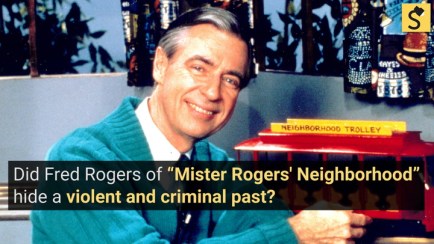
Fred Rogers wasn’t a perfect man, but he was really, truly, very, genuinely good and some people couldn’t—can’t— handle that. Some people made fun of his goodness or created stories about him living a double life because they couldn’t believe in someone being that real. Even at his funeral some people stood with signs, saying that he’s going to hell (which, by the way, is a lot of energy to spend on hate).
I think these moments stood out to me the most because at my core I really crave the perception of perfection and if people have the audacity to spread such hate toward the likes of an incredibly loving human like Mr. Rogers, then what hope exists for me? If you’ve followed me here or even on any of my socials for a while, you know this battle with these sort of perfectionistic desires isn’t anything new, just the same old aches coming back around. It hurts me that perfection doesn’t exist because sometimes I think that if there was just a formula for it, I could replicate it and be untouchable. In my soul, I don’t want to be unbothered by people’s negative opinions, I want to be untouched by them. This ideal version of me in my head is so perfect that no one could criticize me because I’m just too good and when I see people like Mr. Rogers, I think they kind of feed the hope of my ego that maybe there is a formula for ultimate goodness and safety from rejection.
But that’s not how life works. There’s no winning in the game of perfect perception. No job, no title, no amount of fame, or money, no actual or perceived goodness can separate us from the judgments of others. Even the professions our culture deems to be most valuable are simultaneously slandered. On one hand, lawyers are viewed as heroes who hustle hard and fight for justice. On the other hand, they’re slandered as sleazy, underhanded, snobby. Doctors have been esteemed by society as both the saints who save lives and yet the sneaky foxes that take them. I’ve met both kinds of both, but sometimes when it comes to the jury of public opinion, it doesn’t always matter who someone is so much as who the critics want them to be. Anyone who has worked in customer service knows this best– some people who ask for help aren’t looking for help, just for a place to assign blame for their pain.

Though, especially since his passing, I think Mr. Rogers has a fairly shining reputation now, somewhere in the world are those people who hated him enough to protest him at his funeral. During his life he encountered these same types of critics and worse but he kept working with kids on his modest little television show anyway. He committed simple yet outrageous acts of love when he invited disabled children to sing with him on TV and washed the feet of a black man in the kiddie pool in his front yard. He showed us that just because we can’t escape other people’s judgments, it doesn’t make our goodness less good or our impact less real.
In fact, being able to face people’s unsolicited criticisms might even deepen our impact. Rogers encouraged us that the world can be a dark and scary place full of pain and confusion, but we have the power to make it better. We can control our negative emotions and responses to pain, then teach others to do the same. Even though not everyone will accept the invitation to learn, we ought to continue teaching each other the truths we find about how we can treat each other well. We can include, accept, respect, and be the light we wish to see even when others refuse to see it. We ought to be the good we wish to receive even when others won’t be it. Mr. Rogers showed the world that even the actual best of people, such as himself, will be criticized but even those who spread hate are people, made of the same valuable stuff. So he extended love and peace, talking about hard topics while looking for and pointing others toward the beauty in life no matter what.
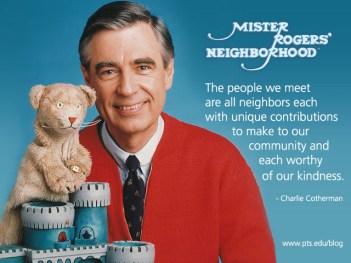
I’d like to conclude with the lyrics of my favorite song by Mr. Rogers called, “It’s You I Like”

 lovinglifeasemma.com